.png)

Travel with Purpose
Responsible Sustainable Ecotourism
Every journey we take leaves a footprint.
By travelling thoughtfully, we can ensure our adventures benefit both nature and the people. Learn more about easy tips on how to reduce your impact.
Positive Effects of Tourism
Responsible Tourism - focuses on ethical behaviour that respects nature, local people and cultural heritage. It encourages travellers to make conscious choices that reduce harm and support positive change.
Sustainable Tourism - aims to balance the needs of visitors, communities and the environment so that benefits last well into the future. It promotes practices that protect natural resources and strengthen local livelihoods.
Ecotourism - centres on nature-based experiences that support conservation and wildlife protection. It gives travellers the chance to learn about natural habitats while contributing to their long-term preservation.
We ask Sal’s visitors to consider all three when enjoying their stay in Cabo Verde.

Responsible Tourism
positive impact through individual behaviour
Sustainable Tourism
long-term overall positive impact
Ecotourism
positive impact on nature and conservation

Why Responsible Tourism Matters
Whether you’re diving with marine life, surfing the waves, or enjoying local cuisine, your choices matter. Together, we can help reduce environmental impact, protect wildlife, and ensure tourism benefits local communities.

Why does it matter
Whether you’re diving with marine life, surfing the waves, or enjoying local cuisine, your choices matter. Together, we can help reduce environmental impact, protect wildlife, and ensure tourism benefits local communities.
Responsible tourism helps to reduce pollution, preserves habitats and reduces the depletion of limited resources. By choosing local guides, regional products and family-run accommodation, you strengthen local economies and preserve cultural heritage.
Sustainable and eco-conscious travel encourages authentic interactions, deeper learning, and meaningful connections with people and nature.
Guidelines for Responsible Travel
To help reduce your environmental impact and support communities:
.jpg)
Respect Nature and Wildlife
-
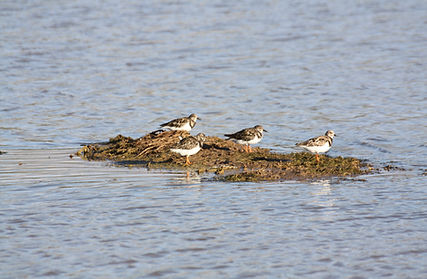
Observe wild animals, like sea turtles, birds, and sharks, from a distance, on land and in water - don’t touch or chase them, as it causes stress
-
Never feed wildlife or disturb nesting or resting areas – you will involuntarily harm the species
-
Avoid touching corals or removing shells, sand, or rocks from beaches – they are an important part of coastal ecosystems
-
Avoid stepping, driving, riding or sitting over plants and dunes – they are natural coastal protection
-
Do not participate in illegal hunting, killing, raising, confining, storing, transporting, or trading of wild animals, especially endangered, precious, and rare species
Protect Marine and Coastal Ecosystems
-
Use environmentally friendly products that can be reused or recycled such as cloth bags or personal water bottles
-
Use reef-safe sun protection when swimming or snorkelling – protect our biodiversity from chemicals
-
Reduce your waste and collect any trash you find to help keep our nature clean – our coasts are full of marine debris and local waste management is lacing recycling facilities
-
Stay on marked paths and respect local access restrictions – our ecosystems harbour many species, hiding in plain sight that will be disturbed or destroyed when you stray off path
-
Try to use less polluting means of transport such as walking or cycling


Support the Local Economy
-
Only chose government certified operators and guides and ensure your guides to adhere to wildlife and habitat protecting practices
-
Choose environmentally conscious accommodation that invest in sustainable practices such as energy-saving and water-conserving mechanisms and wildlife friendly practices
-
Choose handmade, eco-friendly souvenirs instead of products made from wild animals or imported products
-
Be mindful of cultural practices and always ask before taking photos of people
-
Contribute funds to wildlife and nature conservation activities if possible
Follow Regulations
-
Read signage and verify whether you are in a protected area and what activities are allowed, and which are forbidden
-
Always follow local rules and guidance from police and protected area staff
-
Report infractions if you see illegal behaviour to help keep our biodiversity and ecosystems safe

Ways to Get Involved
By planning your journey right, you can leave a positive impact on Sal and it’s nature.
Find out more about the top things to do in Sal
Discover more about Sal’s Protected Areas
Support local conservation efforts:
-
Find our how you can donate or what material you can bring on our Support page
-
Dedicate minimum 7 days to conservation efforts and become a volunteer
-
Join our beach clean ups, we advertise on Facebook or just clean a section yourself!
Collect trash bags in easily accessible areas if you cannot dispose of them yourselves and send us a message with a GPS location. -
Contact us to learn more.
Let's make Cabo Verde, a sustainable and enriching destination for years to come!