.png)

A Fragile Island Under Pressure
Tourism is one of Cabo Verde's most important industries, supporting local communities and attracting visitors from around the world. The islands' beaches, wildlife, and natural landscapes are at the heart of this success.
As tourism continues to grow, with over 700 000 visitors, so does its environmental footprint. Coastal development, artificial lighting, pollution, and increasing pressure on sensitive habitats can all affect the biodiversity that makes Cabo Verde such a unique destination.

Tourism itself is not the problem. The challenge is ensuring that tourism develops in a way that protects the natural environments on which it depends.

Leaving a positive footprint
Tourism does not have to come at the expense of nature. When planned responsibly, it can become one of the most effective tools for protecting biodiversity and supporting local communities.
Responsible tourism brings together visitors, tourism businesses, conservation organisations and local communities with a shared goal: protecting the natural heritage that makes Cabo Verde unique.
Making the active choice to support sustainable practices means tourism can reduce its environmental footprint while creating lasting benefits for both people and wildlife.
The future of tourism depends on healthy ecosystems.
The future of biodiversity on Sal Island depends on responsible tourism.
Positive effects of tourism
On Sal responsible and sustainable tourism is essential to balance the needs of visitors, communities, and the environment. The island is a critical habitat for loggerhead sea turtles and lemon sharks, and its coastal ecosystems are highly sensitive to disturbance, so everyday tourist behaviour can directly affect whether these species survive and reproduce.
Whether you’re diving with marine life, surfing the waves, or enjoying local cuisine, your choices matter. Together, we can help reduce environmental impact, protect wildlife, and ensure tourism benefits local communities.


What to Pack for Cabo Verde
Packing a few reusable and wildlife-friendly essentials will help you enjoy your visit while reducing your environmental impact.
-
Reusable water bottle to stay hydrated and reduce plastic waste.
-
Reef-safe sun-protection to help protect marine ecosystems.
-
Reusable shopping bag for everyday purchases.
-
Binoculars for responsible wildlife watching from a safe distance.
Travelling with these simple essentials helps protect Cabo Verde's wildlife and ensures you're prepared to enjoy the islands responsibly.
Guidelines for Responsible Travel
Follow these rules and you will actively reduce harm
.jpg)
-
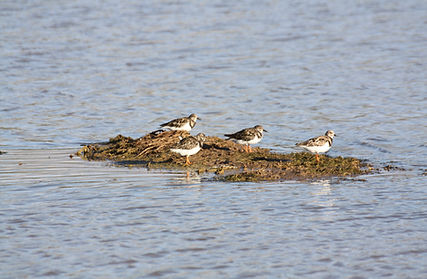
Observe wild animals from a distance both on land and in water - do not touch or chase them, it causes stress and can lead to death
-
Never feed wildlife or disturb nesting or resting areas - you will involuntarily harm the animal
-
Avoid touching corals or removing shells, sand, or rocks from beaches - they are an important and fragile part of our ecosystems
-
Avoid stepping, driving, riding or sitting on dunes and plants - they are delicate natural coastal protection
-
Do not participate in illegal hunting, killing, raising, confining, storing, transporting, or trading of wild animals, especially endangered, precious, and rare species
Respect Nature and Wildlife
-
Use environmentally friendly products that can be reused or recycled such as cloth bags or reusable water bottles
-
Use reef-safe sun protection when swimming or snorkelling - protect our biodiversity from toxic chemicals
-
Reduce your waste and collect any trash you find to help keep our nature clean - our coasts are full of marine debris and local waste management is lacking recycling facilities
-
Stay on marked paths and respect local access restrictions - many species will be disturbed or killed when you stray off the path
-
Try to use less polluting means of transport such as walking or cycling
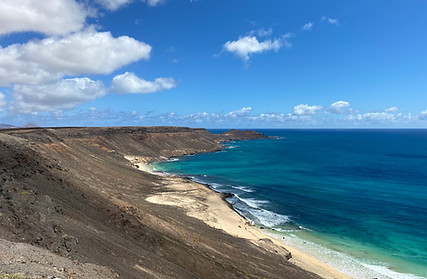
Protect Marine and Coastal Ecosystems

-
Only choose government certified operators and guides and ensure your guides to adhere to wildlife and habitat protecting practices
-
Choose environmentally conscious accommodation that invest in sustainable practices such as energy-saving and water-conserving mechanisms and wildlife friendly practices
-
Choose handmade, eco-friendly souvenirs instead of products made from wild animals or imported products
-
Be mindful of cultural practices and always ask before taking photos of people
-
Contribute funds to wildlife and nature conservation activities if possible
Support the Local Economy
Follow Regulations
-
Read signage and verify whether you are in a protected area and what activities are allowed, and which are forbidden
-
Always follow local rules and guidance from police and protected area staff
-
Report infractions if you see illegal behaviour to help keep our biodiversity and ecosystems safe

Every Visit Has an Impact
Tourism pressure is the result of many individual actions. What you do during your visit matters.
Common harmful behaviours:
-
approaching or disturbing nesting turtles and other wildlife
-
touching wildlife
-
using lights on beaches at night
-
driving off-road in sensitive coastal areas
-
joining unregulated or wildlife-intrusive tours
These behaviours are still happening and are a major part of the problem.
Where Protection Matters Most
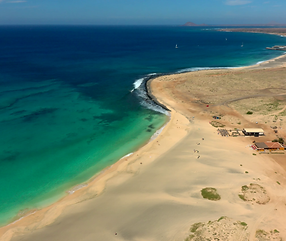
Some Natural Reserves of Sal are under particularly high pressure and require strict care.
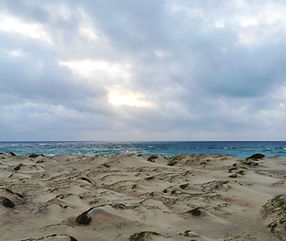
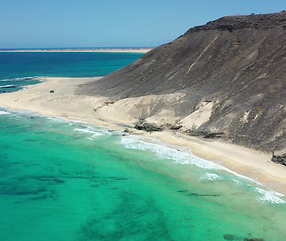

Choose Experiences That Protect Nature
Not all tourism in Sal is responsible.
Some activities contribute directly to environmental damage.
Before choosing an experience, consider:
-
Does this activity disturb wildlife?
-
Is the operator licensed and following regulations?
-
Does it contribute to conservation or simply exploit nature?
Supporting responsible operators helps shift the overall tourism model.

For Visitors
If you are planning your trip to Sal, explore how to experience it in a way that reduces harm and supports conservation.
-
Dedicate minimum 7 days to conservation efforts and become a volunteer
-
Clean a section of our beaches yourself
-
Visit the Sea Turtle Information Centre
-
Discover Sal's protected areas
-
Learn where to observe wildlife responsibly
